This article was written by Abeer Eladany, ICOM UK Trustee, Decolonisation Lead.
As a member of the ICOM Working Group on Decolonisation, I contributed to the international discussions on how ICOM can decolonise itself as an organisation and how museums can address colonial legacies and support more equitable practices. The group served as a forum for sharing knowledge, learning from global case studies, and exploring issues such as repatriation, community collaboration, and inclusive interpretation. Through this work, I engaged with colleagues from different cultural and professional backgrounds to help advance meaningful change across the museum sector.
Credit Phaedra Fang.
The current ICOM strategic plan (2022-2028) highlights ICOM’s commitment to decolonisation under its strand that addresses the importance of supporting a global museum network dealing with change. The aim is to proactively address decolonisation and the role that museums have played in the colonising process.
The strategy states that “ICOM recognises the role that museums have played in the colonising process and actively upholds international normative instruments, including the 2015 Recommendation on Museums, the 2001 Declaration on Cultural Diversity and the UN Declaration on the Rights of Indigenous Peoples.”
This paved the way to creating the Working Group on Decolonisation with a mandate that extended for three years (2022-2025).
The remit of the group was:
- Develop a shared organisational approach to decolonisation by examining museums’ colonial legacies and contemporary colonial practices.
- Create a decolonisation framework, strategy, and action plan for ICOM, drawing on reconciliation, equity and inclusion, Indigenisation, UNDRIP, and relevant international standards.
- Review existing guidance, identify gaps, and propose new or revised policies where needed.
- Work with ETHCOM to strengthen the ICOM Code of Ethics and other ethical frameworks to better address decolonisation, Indigenous rights, and equitable museum practice.
Museum professionals from across the globe applied to join the working group to support these aims.
It was a learning opportunity for me. I was delighted to receive the confirmation that my application was accepted and I became a member of an international group of experts from a wide geographical background and a huge wealth of expertise.
At the beginning it was terrifying, particularly when imposter syndrome strikes. However, at the first online, Hanna Pennock, the working group chair, managed to create a safe space where I felt at ease. This is a unique talent, and I wish I learn how to do this one day! Subgroups were formed, one was to look at terminology, another to collaborate with CIDOC to co-produce a workshop at their annual conference, another group was responsible for the sector survey and a group to work with ETHCOM.
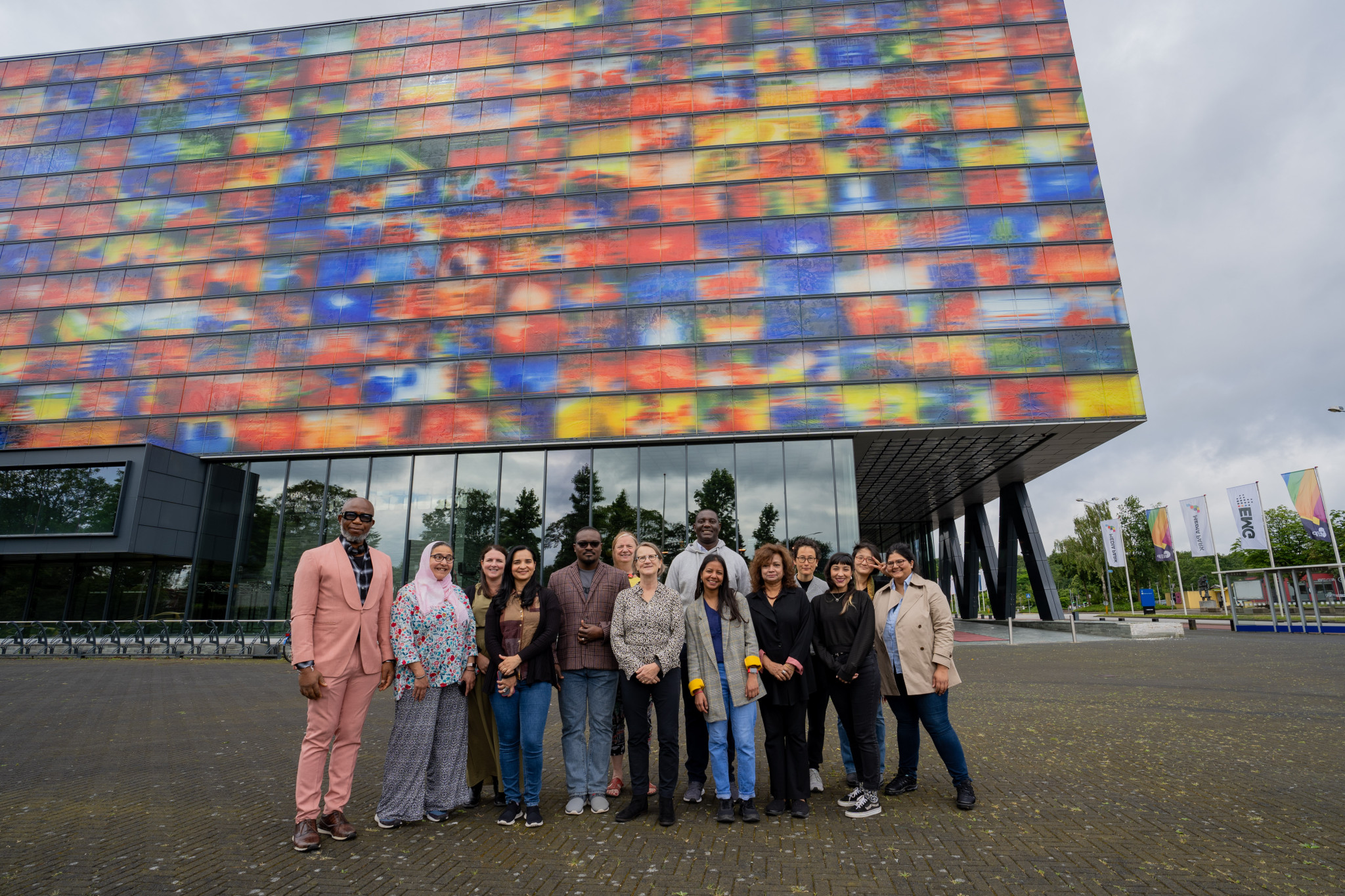
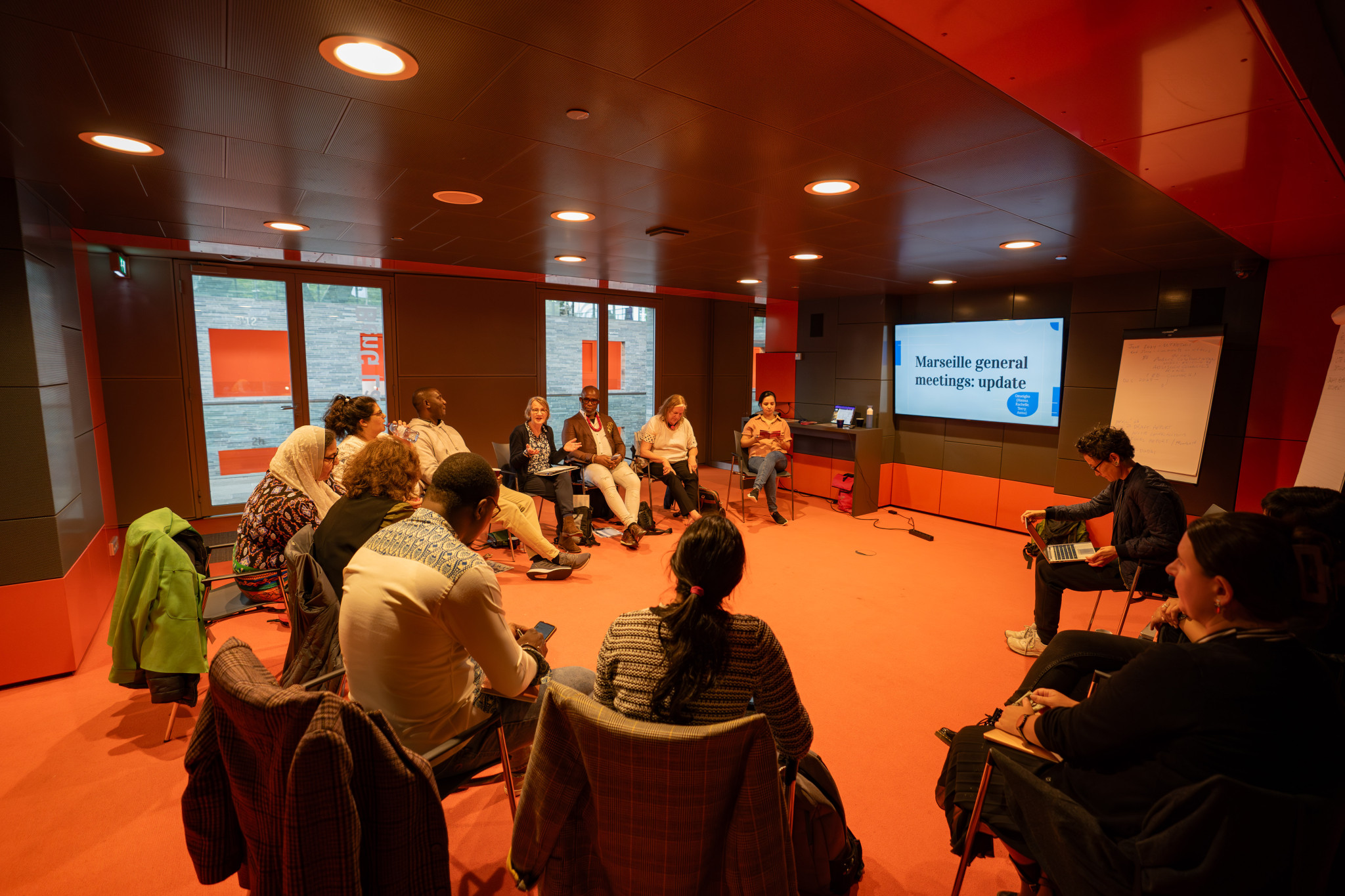
After a couple of online meetings where each of the group members introduced their relevant work in the museum sector, it became clear that a working schedule is needed. It was also important for the group to meet face to face which we did in Utrecht in 2023 and in Berlin in 2024. These meetings contributed to the success of the mission and where clear steps to produce the final report where established.
Credit Phaedra Fang.
We have shared case studies, articles, museum news and relevant projects that we came across, something that contributed to this collective up to date group knowledge.
Meeting the Indigenous people (online) was one of the highlights of my experience. Arranging meeting times that would suit the Indigenous people and not particularly during working or social hours in the UK was so important. It was an amazing experience for me to hear the views of the Indigenous experts. It was emotional to listen to how little their views were heard in the past. These connections are so valuable, and I think we need to continuously build on that to achieve trust in ICOM.
Credit Phaedra Fang.
Working with the Code of Ethics group was another highlight of this work. Meeting them online, contributing and discussing the comments and possible changes was an educational experience for me.
The full report of the Working Group is available below:
I am delighted to have joined recently the Standing Committee on Decolonisation and look forward to getting to know my fellow committee members and continuing to collaborate with colleagues and friends across the ICOM community.
