In the latest in our series of interviews with international museum professionals, we explore the best digital practices of Chinese museums and galleries.
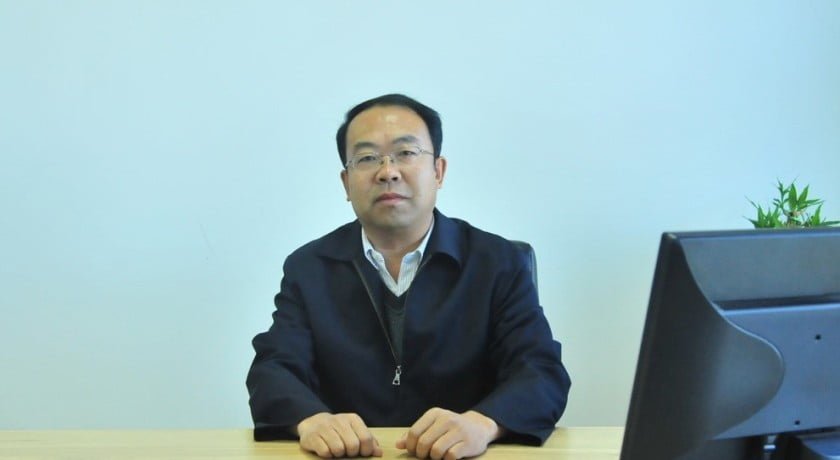
Huaiyuan (Robert) Ren, History and Philosophy of Art Student at the University of Kent and Student and Emerging Professionals Representative at ICOM UK, interviews Kang Zhishuai, Deputy Director at Shanxi Museum of Geology.
HR: Where do you work and what is your current position?
KZ: Hello, my name is Kang Zhishuai, I am now working for Shanxi Museum of Geology, as the deputy director, mainly responsible for the museum’s informatization and exhibition planning, geological research and specimen management, public operation and service, etc.
HR: Please introduce the online/digital practices that your museum has been doing since the post-pandemic era.
KZ: Based on the experience of online science popularization activities during the pandemic, Shanxi Museum of Geology has linked the “museum cultural resources” with the “Internet”, and opened online interaction and live broadcast on Weibo, WeChat, Douyin, Kuaishou and other platforms, including daily interpretations of the museum, science popularization lectures and programs. Including “audible museum” and “Shanxi geological science lecture series“. “Audible Museum” is a radio show cooperated with Shanxi Radio and Television Station, based on collections of cultural relics from our museum, and to tell stories behind the collections by palaeontologists, geologists and collectors of mineral specimens. It was illustrative, recreational, and was highly praised after it was broadcasted.
“Shanxi Geological Science Lecture Series” is an online science popularization program jointly carried out by CNKI. The series consists of 33 videos, and the lecturers are all staff of different positions in Shanxi Museum of Geology. They combined daily life and delivered professional geology knowledge to people in a popular and interesting way. In addition, the museum also actively utilizes new media and new technologies to promote the operation of online science education in the post-pandemic era and help to upgrade museum services.
HR: How is your museum interacting and connecting with the public under the influence of the pandemic?
KZ: Due to the pandemic, an invisible barrier was formed between museums and their visitors, which hindered the communication between museum objects and people, between people, and between people and the environment. Fortunately, digital media can be effective in removing this barrier to some extent. In order to ensure the health and safety of the visitors, the museum has taken measures to limit the number of visitors and take into account the visitors’ needs on the premise of meeting the pandemic restrictions. At the same time, the museum has opened online science activities through multiple channels, basically meeting the interactive communication needs of the museum and the visitors.
HR: What are the main challenges of your museum in 2021?
KZ: I think in 2021, the main challenge for our museum is to normalize its operation in the post-pandemic era. The pandemic is far from over, being a place of gathering, the top priority for museums is to ensure the health and safety of visitors and try to provide a healthy and orderly environment for visitors. For example, ensure the museum’s daily sanitation work and temperature measurement, travel and health code check should always be rigorous and meticulous; Another example is how to guide the audience to wear masks as they enter the venue, instead of playing “hide and seek” with the museum staff.
HR: Please introduce to us some of your recent exhibitions and projects.
KZ: Our pavilion’s recent exhibitions are mainly themed “Red Nature Essence, Green Ecological Home”. Red is a traditional Chinese colour of happiness, and green is a symbol of vitality. This exhibition is based on two “100 pieces” exhibits, more than 100 red rock and mineral specimens and more than 100 pictures of Shanxi natural ecological landscape symbolizing “clear waters and mountains”, to spread the scientific knowledge of geology, mineralogy and petrology and natural ecology to the audience, and promote the achievements of ecological civilization construction in Shanxi Province. We will further increase the popularity of natural science and the attention of the whole society to the natural environment.
In addition, there is also the “Natural Charm of Mountains, Rivers and Veins” Xu Chaolei’s geological sketch exhibition, divided into “stratum”, “structure”, “rock”, “quaternary and new structure” and “landform” five units, a total of more than 60 pen geological sketch works. This lets the general audience in on the understanding of geological phenomena, geological work content, appreciate the sketch of the beauty of geological art, and at the same time establish a love of geology and natural protection consciousness.
HR: Anything else you want to share?
KZ: I’d like to share with you about our museum’s “Little Scientists Develop Plan”, in order to enhance the popular science education function of the museum for primary and middle school students, we hold “little Scientists” public application, test, selection and training activities, to let more teenagers into the museum, enrich geological knowledge, understand geological culture, thus, to raise the awareness of protecting natural specimens and saving natural resources. This project won the silver award in the Second Youth Volunteer Service Project Competition of Shanxi province in 2020.