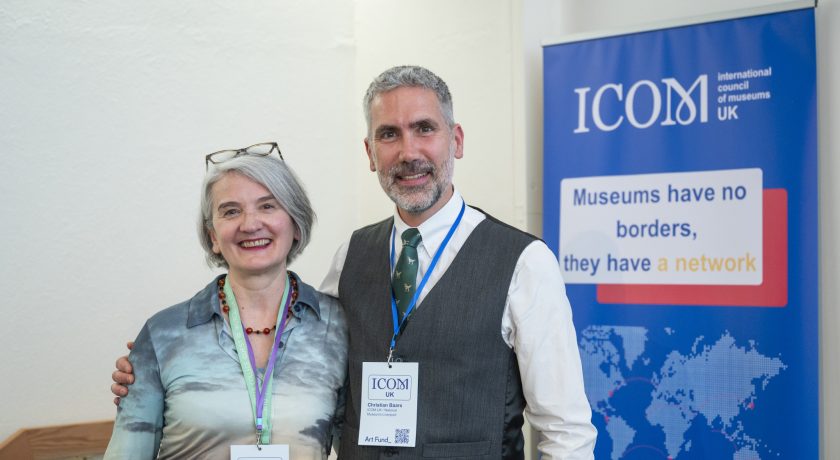
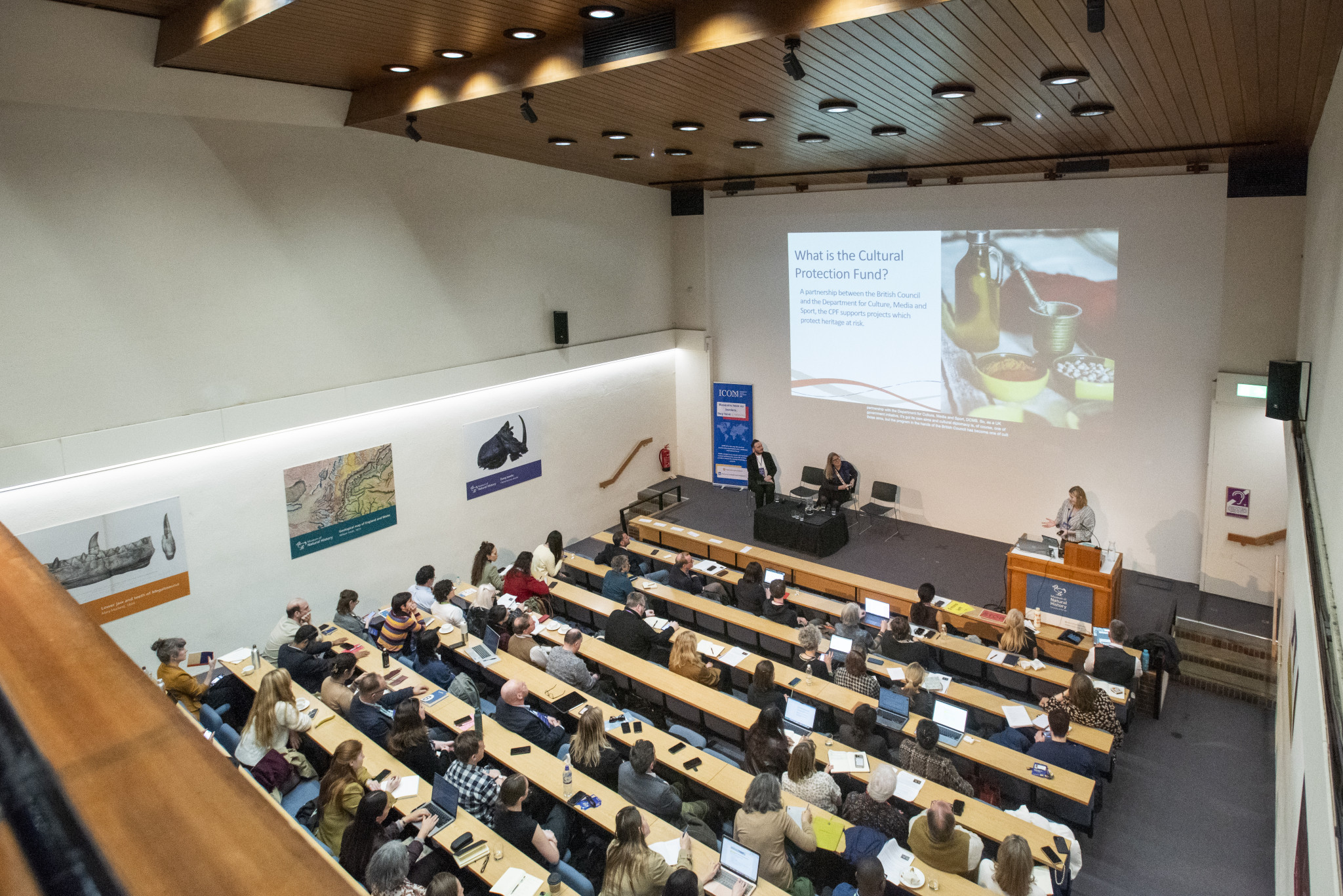
For its 80th anniversary year, ICOM has chosen the theme ‘Museums Uniting a Divided World’ for International Museum Day on 18 May 2026. This is also in keeping with the theme of this year’s ICOM UK conference, ‘Museum Diplomacy in Action’, held on 16 and 17 April. More than 200 delegates from five continents and at least 20 countries (with live links from Canada and Egypt) converged on Oxford over two beautiful spring days. Museum diplomacy is apt as a topic for a National Committee of a global organisation whose mission includes diplomacy as an integral part of protecting communities and their cultural heritage.
What does museum diplomacy look like in practice? It is happening every day in our museums, galleries, historic houses, archives, libraries and other cultural organisations. We are all active participants, repairing trust that may have been damaged, and maintaining respectful relationships where more formal channels of communication may prove challenging. The intention of the ICOM UK conference was to showcase practical examples of museums contributing to community and international relations, to multicultural friendship, to reconciliation and memory.
As Co-Chairs hosting the conference, some of our personal highlights and take-home messages include:
- Cultural engagement is not a political optional extra, but essential national infrastructure tied to economic development, public health, employment and soft power.
- Trust between international museum colleagues can be nurtured even when official diplomatic channels become strained.
- Digital tools – focussing on indigenous knowledge, ethical data collection and authentic community voices – allow museums to reposition themselves as equal and active agents in post-colonial global cultural exchange.
- The basics – a welcoming environment, food, safety and comfort – should be among the priority techniques when developing diplomatic strategies.
- Museum diplomacy is rarely about grand gestures or formal declarations. More often, it is about trust built through patience, determination and open-mindedness. It can also be found in unexpected places, delivered with quiet resolve by those who truly believe in the power of museums to uphold human dignity and cultural exchange.
- We should look at forming long-term regenerative partnerships – shifting from the sustainability equivalent of ‘doing no harm’ to being actively transformative and regenerative.
- Youth leadership in climate action is a real thing, and museum-led co-production can connect people across continents through transnational youth exchanges.
- In the Mediterranean, many sacred sites have been shared between diverse faiths over the centuries, offering opportunities for critical intercultural dialogue with a number of partners.
- Museums can integrate risk preparedness, inclusive narratives and collaborative restoration efforts while also acting as agents of peacebuilding and cultural continuity through recovery and reconciliation.
- Restitution builds trust between communities and countries.
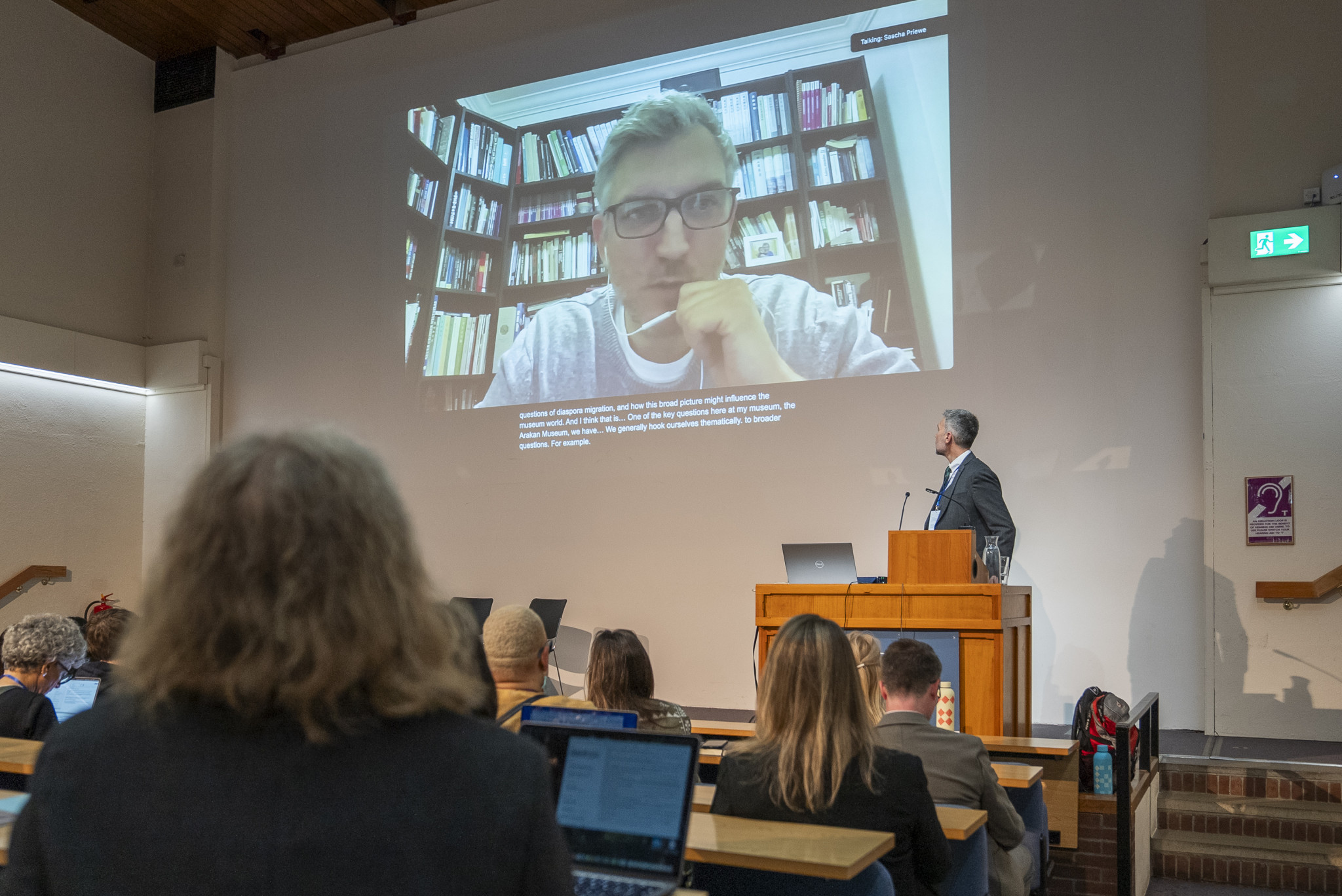
ICOM’s Five Missions include leading a diplomatic forum. Our first keynote speaker, Sascha Priewe, who had co-produced the conference programme, described museums as ‘contact zones’, social spaces where cultures meet and interact with each other. These are not the absolute authority as cultural and historical centres, but places of unfinished historical processes and changing conceptions. We heard many case studies, lived experiences and inspiration for others to follow. An overarching theme was fairness and justice. Museums are places of dialogue where communities work together for reconciliation post trauma, for climate justice and for decolonial understanding.
The ability of museums to bring people together is sometimes called a soft power. But ‘soft power’ as a concept also has a notion of political influence, often on the basis of country-to-country relationships or of seeking to influence others in parallel with economic and military might. There were some undertones of concerns at the conference about political inference in museums – a different kind of power. We know that this is a real and ever-present risk for museums in most countries, and a reality in many.
When we spoke about museum diplomacy in Oxford, we, as the representatives of museums, meant the fostering of understanding and cooperation, among communities and internationally. We meant making a positive difference to the lives of people – irrespective of origin, political opinion, gender, sexual orientation, skin colour or religion. ICOM is one of those global organisations striving energetically to achieve this, while all of us who work in or with museums are an active part of this journey.
We hope our delegates left feeling as energised and inspired as we did, taking ideas to implement in their own organisations and communities. This will help to create a continuous loop where the future of museum diplomacy will continue to be built and expand in spaces like ours, through shared conversations and the steady, often invisible, work that continues to happen long after any conference has ended.
Christian Baars, Co-Chair, and Maria Blyzinsky, Trustee and former Co-Chair, of ICOM UK
